
Do Tanning Gummies Really Work? Truth & Risks

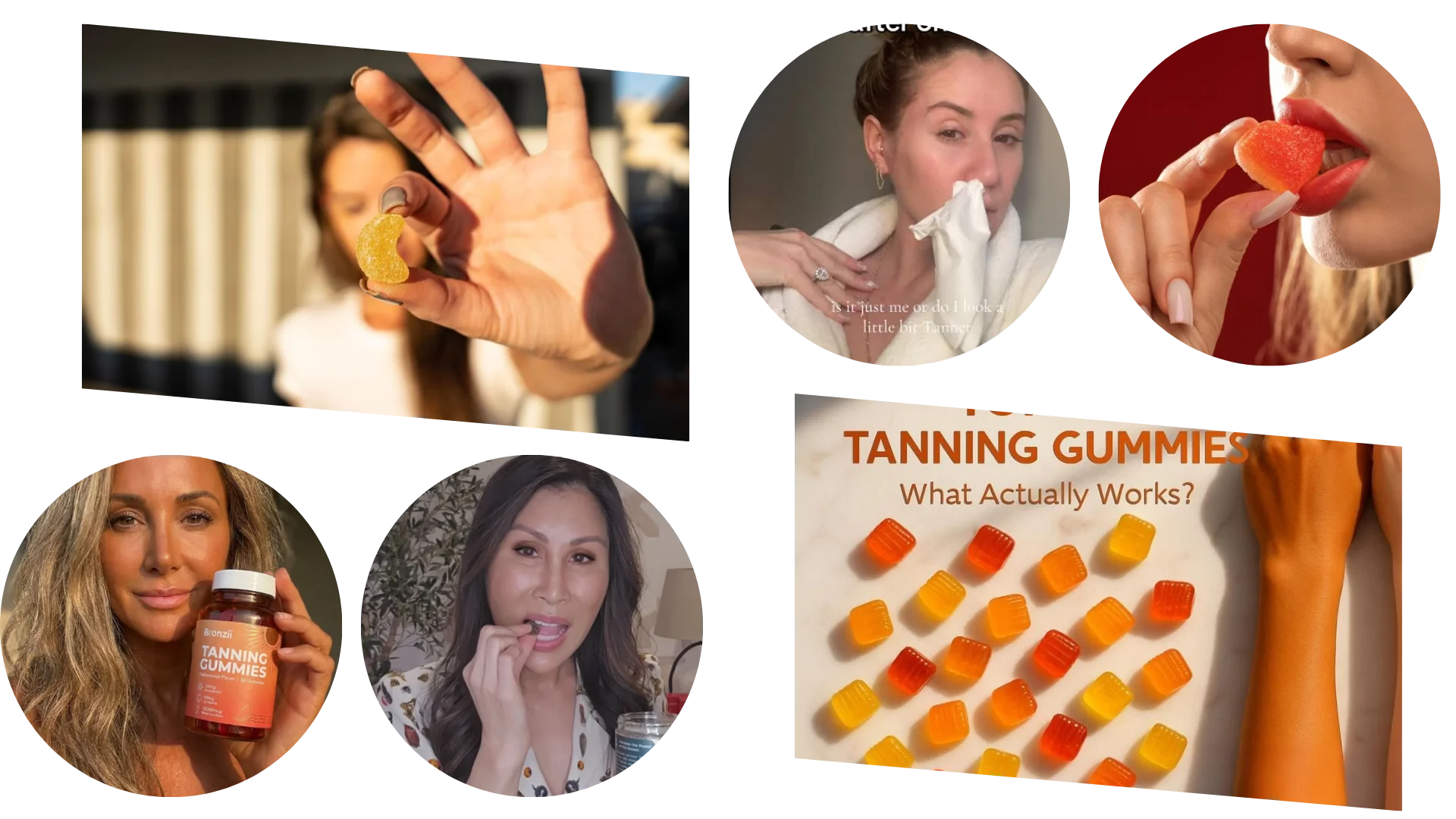
Answer: No, tanning gummies do not create a true, biological sun tan. Instead of stimulating melanin (the pigment that darkens skin from UV exposure), they rely on plant pigments called carotenoids (like beta-carotene). When taken in high doses, these pigments accumulate in your skin fat, causing a temporary yellowish-orange tint rather than a bronze glow.
Tanning gummies have become a popular topic in the beauty and skincare world. They promise something that sounds almost too easy: a warmer, more tanned skin tone without spending hours in the sun. Instead of using tanning lotions or visiting tanning salons, you simply take a sweet, fruit-flavoured gummy and expect your skin colour to change over time. Social media has helped make these products more noticeable. Some influencers show before-and-after photographs, while others describe tanning gummies as a simple way to achieve a golden glow. Manufacturers may claim their products support natural pigmentation, improve skin appearance, or help maintain a summer tan throughout the year.
But do tanning gummies really work, and are they safe?
The answer is not as straightforward as the advertisements suggest.
Some ingredients found in tanning gummies, particularly carotenoids such as beta-carotene, can affect skin colour when consumed in sufficient amounts. However, this change is different from a natural sun tan. It usually involves a yellow, golden, or orange tint rather than an increase in the skin’s natural tanning pigment.
There are also important safety concerns. Some products contain high amounts of vitamins or plant pigments, and not every ingredient has been properly studied for long-term use. Taking more gummies does not guarantee better results and may increase health risks. The American Cancer Society warns that oral tanning products are not approved by the US Food and Drug Administration (FDA) for tanning purposes and do not provide reliable protection against ultraviolet radiation. Understanding the difference between a genuine tan, temporary skin colouring, and marketing promises is important before considering these products.
This article explains how tanning gummies are supposed to work, what scientific research actually shows, their ingredients, possible side effects, and safer ways to change the appearance of your skin without unnecessary sun exposure.
What Are Tanning Gummies and Why Are They So Popular?

Tanning gummies are chewable supplements marketed to people who want a darker or warmer-looking skin tone. They usually resemble ordinary vitamin gummies and may have fruit flavours, bright colours, and attractive packaging.
Their main selling point is convenience. Unlike traditional tanning methods, they do not require applying a product to the skin. The advertisements often suggest that taking gummies regularly will gradually change skin colour from within.
However, the term tanning gummy does not describe one specific formula. Products sold under this name can contain very different ingredients.
Some are mainly carotenoid supplements. Others combine vitamins, antioxidants, plant extracts, and compounds advertised as supporting pigmentation.
The problem is that an ingredient being present in a product does not automatically mean that the finished product can produce the result shown in advertising.
Why People Are Interested in Oral Tanning Products
Several factors explain why these supplements receive attention online.
- Convenience: Gummies appear easier to use than applying tanning products.
- No obvious mess: Consumers may want to avoid stained clothing or uneven self-tanner application.
- Beauty marketing: Advertisements often connect a golden skin tone with a holiday appearance.
- Social media reviews: Before-and-after photographs can make small colour changes appear dramatic.
- Health-related language: Words such as vitamins, antioxidants, and plant-based ingredients may make products seem safer.
- Curiosity: People may want to know whether skin colour can change through nutrition.
These reasons explain the appeal, but they do not prove that a product works.
A supplement can contain useful nutrients while still failing to produce its advertised cosmetic effect.
There is also a difference between improving nutrient intake and deliberately taking large amounts of substances to change skin colour. The first may be appropriate when someone has a nutritional need. The second requires stronger evidence of effectiveness and safety.
Do Tanning Gummies Really Work?

Tanning gummies may cause a change in skin colour, but there is no strong clinical evidence that commercially available tanning gummies consistently create a natural-looking tan.
The distinction matters because the word tan has a particular biological meaning.
A natural sun tan develops when ultraviolet radiation stimulates the skin to produce more melanin. Melanin is the pigment responsible for much of the natural variation in human skin, hair, and eye colour.
Most tanning gummies do not work by directly stimulating this process.
Instead, products containing carotenoids may gradually increase the amount of these pigments stored in the skin. This can create a yellowish or orange appearance.
The effect varies between individuals and depends on factors such as the ingredients, dietary intake, natural pigmentation, and individual metabolism.
Some people may notice a subtle change, while others may see no meaningful difference.
What Scientific Research Actually Shows
A study published in PLOS ONE in 2012 examined the relationship between fruit and vegetable consumption and skin colour.
Researchers followed 35 participants and recorded changes in diet and skin appearance over six weeks.
They found that changes in fruit and vegetable intake were associated with measurable differences in skin redness and yellowness.
Importantly, these changes were linked to carotenoid pigments rather than melanin.
This research provides evidence that dietary pigments can influence skin appearance.
However, it does not establish that commercial tanning gummies are effective or safe. The study examined food consumption, not a particular gummy formulation.
Another study involving 81 university students examined a carotenoid-rich fruit smoothie. Researchers reported changes in skin yellowness and redness after several weeks.
These studies support a limited conclusion: carotenoids from food can affect skin colour.
They do not prove the larger claim that a gummy supplement can reliably create an attractive, even, or lasting tan.
The Main Findings in Simple Words
- Certain plant pigments can accumulate in the skin.
- A visible colour change may occur over several weeks.
- The resulting colour is not the same as UV-induced tanning.
- Food-based studies cannot be treated as proof for every supplement.
- The effectiveness of a specific gummy depends on its actual ingredients and clinical evidence.
- A change in skin colour does not mean the skin has become healthier or more resistant to sunlight.
It is also worth remembering that a product can change skin appearance without providing a meaningful health benefit.
How Tanning Gummies Affect Skin Colour
To understand their possible effects, it helps to know how the body produces and stores different pigments.
Human skin contains several substances that influence its appearance. Melanin is the most important natural pigment, but blood flow, carotenoids, and other biological factors also contribute.
Tanning gummies generally aim to affect one of these pathways, although the evidence behind individual products differs.
Melanin Creates Natural Skin Pigmentation
Melanin is produced by specialised skin cells called melanocytes.
The amount and type of melanin influence natural skin colour. Genetics plays a major role in this process.
When skin is exposed to ultraviolet radiation, the body may produce more melanin as part of its response to damage.
This can make the skin appear darker.
However, a sun tan is not evidence that the skin has become stronger or healthier. It indicates that the skin has reacted to ultraviolet exposure.
The FDA’s explanation of tanning risks makes clear that tanning does not provide meaningful protection from further sun damage.
Ordinary carotenoid-based tanning gummies do not reliably reproduce the melanin-producing process responsible for sun tanning.
Carotenoids Can Produce a Different Colour
Carotenoids are naturally occurring pigments found in many fruits and vegetables.
They help give carrots, pumpkins, sweet potatoes, and certain other foods their yellow, orange, or red colours.
When carotenoids are eaten, the body absorbs some of them through the digestive system.
Certain carotenoids can then be stored in body tissues, including the skin.
As their concentration increases, they may influence the way light reflects from the skin.
This can make the skin appear slightly more yellow or golden.
There is one important difference: carotenoid-based colouring does not mean melanin levels have increased.
A person could therefore notice a warmer appearance without having developed a genuine tan.
Why Skin Colour Changes Differ Between People

Not everyone processes or stores dietary pigments in exactly the same way.
Natural skin pigmentation affects how noticeable a change may be. A subtle increase in yellow colour may be more visible on some skin tones than on others.
The amount of carotenoids already present in someone’s diet may also matter.
For example, a person who regularly eats carotenoid-rich vegetables might have a different starting point from someone whose diet contains fewer of these foods.
Other factors include:
- Differences in digestive absorption.
- Variation in metabolism.
- The mixture of ingredients consumed.
- Natural skin pigmentation.
- The duration of exposure to dietary pigments.
- Individual differences in how carotenoids are stored.
These factors help explain why photographs and personal reviews cannot predict what will happen to everyone.
Common Ingredients Found in Tanning Gummies
The ingredients are the most important part of understanding any tanning supplement.
Two products may look similar but contain very different formulas. One may include mainly beta-carotene, while another combines several vitamins with plant extracts.
Some ingredients are included because they support normal nutrition. Others are added because manufacturers claim they affect pigmentation.
These claims should be examined separately.
Understanding What Each Ingredient Can and Cannot Do
| Ingredient | Why it may be included | What the evidence suggests | Important consideration |
|---|---|---|---|
| Beta-carotene | To create a warmer skin colour | High intake can increase yellow-orange skin pigmentation | High-dose supplements carry particular risks for smokers and some former smokers |
| Lycopene | As a carotenoid antioxidant | Has been studied for skin-related biological effects | Not proven to produce a reliable cosmetic tan |
| Lutein | For antioxidant and skin-support claims | Can contribute to carotenoid activity | Evidence for a tanning effect is limited |
| Astaxanthin | For skin appearance and antioxidant claims | Some small studies examine skin-related outcomes | Not established as an effective tanning treatment |
| Vitamin A | For normal skin and immune function | Essential nutrient, but excess preformed vitamin A can be harmful | Multiple supplements can increase total intake |
| Vitamin C | For collagen formation and normal skin function | Supports normal body processes | Does not independently create a tan |
| Vitamin E | For antioxidant functions | Helps protect cells from oxidative damage | Does not reliably darken skin |
| Copper | Because of its role in normal pigmentation pathways | Required for enzymes involved in normal biological processes | Extra copper does not mean extra tanning |
| Plant extracts | For general skin or antioxidant claims | Evidence depends on the individual extract | Safety and effectiveness cannot be assumed |
The presence of a scientifically studied ingredient does not mean that the entire combination has been tested.
For instance, a company might refer to research on beta-carotene and then suggest that its own product will create a golden tan.
That conclusion would require direct testing of the finished supplement.
Beta-Carotene: The Ingredient Behind Many Claims
Beta-carotene is one of the most frequently discussed ingredients in oral tanning products.
It belongs to the carotenoid family and is found naturally in carrots, spinach, sweet potatoes, and many other vegetables.
The body can convert some beta-carotene into vitamin A when needed.
It can also store beta-carotene in tissues.
Very high intake may produce a condition called carotenodermia, in which the skin develops a yellow-orange colour.
This is not the same as a melanin-based tan.
The NIH Office of Dietary Supplements explains that high beta-carotene intake can turn skin yellow-orange and that the colour generally fades after intake is reduced.
However, this visible effect should not be mistaken for proof that taking concentrated supplements is beneficial.
High-dose beta-carotene supplements have been associated with increased lung cancer risk in people who smoke or have smoked, particularly in certain high-risk groups.
This is an important reason not to treat concentrated beta-carotene as an ordinary beauty ingredient.
Lycopene and the Promise of a Healthy Glow
Lycopene is a red carotenoid found in tomatoes, watermelon, and several other foods.
Researchers have studied its antioxidant properties and possible effects on the skin.
Some supplement advertisements suggest that lycopene helps create a warmer or healthier-looking complexion.
However, its presence does not establish that a gummy will produce a visible tan.
Skin-related studies involving lycopene often examine biological responses to light or oxidative stress rather than cosmetic tanning.
These are different outcomes.
A product might affect a laboratory marker without making a noticeable difference to skin colour.
It is therefore important to separate the potential biological effects of an ingredient from the cosmetic claims made about it.
Vitamins and Minerals Are Not Tanning Agents
Vitamins A, C, and E are sometimes grouped together in skincare supplements.
They each have roles in normal health, but those roles should not be confused with tanning.
Vitamin C is required for collagen production and normal tissue repair.
Vitamin E helps protect cells from certain forms of oxidative damage.
Vitamin A supports normal vision, immune function, and healthy tissues.
Copper is involved in several enzyme systems, including processes related to pigmentation.
However, providing extra amounts of these nutrients does not automatically stimulate additional skin pigmentation.
If someone already receives enough of a nutrient, consuming more may offer no added benefit.
In some cases, excessive intake can cause harm.
Tanning Gummies Versus Natural Sun Tanning
Although advertisements often use the same word, oral pigment supplements and sunlight create different changes in the skin.
Understanding this difference prevents confusion about their results and risks.
Sunlight Changes Melanin Production
Ultraviolet radiation can stimulate melanin production.
This is part of the body’s response to UV damage.
Skin may darken after exposure, but the process is associated with risks including sunburn, premature ageing, and skin cancer.
The amount of darkening varies naturally. Some people develop more pigment, while others are more likely to burn.
Repeated sun exposure does not make tanning a healthy activity.
Oral Carotenoids Change Pigment Storage
Carotenoid-based gummies may affect the amount of certain plant pigments in the skin.
This does not require exposure to ultraviolet light.
However, the resulting colour is generally more yellow or orange than a traditional melanin-based tan.
The change may be subtle, unevenly noticeable, or absent.
Most importantly, carotenoid pigmentation does not provide reliable sun protection.
A person whose skin appears darker after taking a supplement can still experience UV damage.
What This Means in Everyday Life
Imagine two people whose skin appears slightly darker after several weeks.
One has experienced repeated sunlight exposure. The other has consumed a larger amount of carotenoid-rich foods.
Although their appearance might seem similar in some lighting, the processes responsible are not the same.
The first person’s skin has responded to ultraviolet radiation.
The second person’s skin may simply contain more dietary pigment.
Neither appearance should be treated as proof of better health or protection against sunlight.
How Long Do Tanning Gummies Take to Work?
There is no medically established time frame for commercial tanning gummies to produce a visible result.
Some marketing materials promise rapid changes, but the published research on dietary carotenoids does not support one universal schedule for gummy supplements.
Studies of dietary carotenoids have recorded changes in skin appearance over several weeks.
That does not mean everyone will notice a change within the same period, or that commercial gummies will produce comparable results.
Why Results May Be Slow or Unnoticeable
Carotenoids do not behave like a colour applied directly to the skin.
They must first pass through digestion and absorption before becoming available to body tissues.
Their effects, when present, may develop gradually.
This also makes them difficult to judge through casual observation.
A person looking in the mirror every day might not notice small changes.
Meanwhile, lighting, makeup, camera settings, and clothing colours can influence how the skin appears.
The following points help explain why there is no reliable timeline:
- The amount and type of carotenoids differ between products.
- Normal dietary intake affects existing pigment levels.
- Absorption varies between individuals.
- Natural skin tone affects how visible a change appears.
- Many commercial products lack controlled human trials.
- Photographs can exaggerate changes because of lighting differences.
A particularly important warning is that taking extra gummies is not a safe way to speed up results.
Exceeding a labelled serving can increase exposure to vitamins and other ingredients without establishing any cosmetic benefit.
Can Tanning Gummies Make Your Skin Look Orange?
Yes. Some oral products containing concentrated carotenoids can contribute to yellow-orange skin discolouration.
This happens because pigments accumulate in tissues rather than because the skin has produced more melanin.
The resulting appearance is sometimes described as carotenodermia.
It can occur after unusually high carotenoid intake, including from food, although concentrated supplements raise separate safety concerns.
How Orange Skin Discolouration Differs From a Tan
Carotenoid-related discolouration may be noticeable on areas such as the palms and soles.
A natural UV-induced tan has a different biological cause and distribution.
Carotenodermia itself is generally reversible when excess carotenoid intake stops.
However, a yellow change in skin colour should not always be assumed to come from carotenoids.
Yellowing of the whites of the eyes, especially with dark urine or other symptoms, may indicate a medical problem such as jaundice and needs prompt medical assessment.
Why This Matters for Product Claims
Advertisements may describe carotenoid colouring as a bronze or golden result.
But the colour cannot be controlled precisely.
The difference between yellow, orange, golden, and brown skin appearance depends on individual pigmentation and the way the change is measured.
Consumers should be cautious of claims promising a specific shade.
A supplement cannot reliably match a person’s desired skin colour in the same way that a topical cosmetic product offers different shades.
Are Tanning Gummies Safe?
The safety of tanning gummies depends on their ingredients, doses, manufacturing quality, and the health circumstances of the person taking them.
There is not enough good evidence to say that commercial tanning gummies as a group are safe for long-term cosmetic use.
Some contain ordinary nutrients in amounts similar to standard supplements.
Others may contain concentrated pigments or combinations that have not been adequately studied.
A natural ingredient can still be harmful when taken in excessive amounts.
The FDA has warned that tanning pills containing large amounts of canthaxanthin can cause serious health problems.
Its guidance on tanning products specifically identifies problems involving the liver, skin, and eyes.
Not all gummies contain canthaxanthin, and risks from one ingredient should not automatically be attributed to every product.
Nevertheless, the warning demonstrates why oral tanning claims deserve careful attention.
Possible Side Effects and Health Concerns
Digestive discomfort
Some supplements can cause nausea, stomach discomfort, or changes in bowel habits.
These symptoms may result from individual ingredients, concentrated nutrients, or other components of the gummy.
Unwanted skin colour changes
Large amounts of carotenoids can cause yellow-orange skin pigmentation.
Although carotenoid-related colour changes are often reversible, an unexpected change in skin appearance can also have another medical explanation.
Excess vitamin intake
Products that contain added vitamins can contribute to excessive total intake, especially when combined with multivitamins or other supplements.
Preformed vitamin A is a particular concern because prolonged excessive intake can be harmful.
Medication interactions
Some dietary supplements can interact with medicines.
The risk depends on the exact ingredients and the person’s medical circumstances.
Allergic reactions
Flavourings, colourings, plant extracts, and other ingredients may trigger reactions in sensitive individuals.
Unclear long-term effects
Many finished tanning gummy products have not undergone long-term controlled clinical testing.
This means potential effects from prolonged use may not be well understood.
When Medical Advice Is Especially Important
Medical guidance is particularly important for people who:
- Have liver or kidney conditions.
- Take prescription medicines.
- Already use multiple nutritional supplements.
- Have previously experienced supplement-related reactions.
- Are pregnant, planning pregnancy, or breastfeeding.
- Have a history of smoking and are considering beta-carotene supplements.
- Are children or teenagers.
For younger people, cosmetic tanning supplements are not a sensible substitute for ordinary nutrition or skin care.
The Risk of Taking Too Much Beta-Carotene
Beta-carotene deserves special attention because its name appears frequently in tanning supplement marketing.
As a nutrient obtained from vegetables, it forms part of a balanced diet.
But concentrated supplements are not identical to eating vegetables.
They can provide amounts that would not normally come from a typical serving of food.
This distinction matters because nutrition studies have repeatedly shown that the effects of supplements can differ from those of whole foods.
What Major Clinical Studies Found
The National Cancer Institute’s review of antioxidant trials describes research involving beta-carotene supplements.
In the Alpha-Tocopherol, Beta-Carotene Cancer Prevention Study, male smokers receiving beta-carotene supplements experienced an increased incidence of lung cancer.
The CARET study also reported increased lung cancer risk among high-risk participants receiving beta-carotene together with retinol.
These findings do not establish that every low-dose gummy causes cancer.
They do show that concentrated beta-carotene cannot be assumed to be harmless simply because it is found in vegetables.
Why Food and Supplements Are Different
A carrot provides much more than beta-carotene.
It also contains water, fibre, and other nutrients.
When people eat a varied diet, they consume these substances together in normal food portions.
A concentrated supplement isolates or combines selected ingredients.
That can change the amount consumed and the way the body is exposed to them.
For example, eating a normal portion of carrots as part of lunch is not equivalent to taking a large supplemental dose of beta-carotene.
This is why research supporting fruit and vegetable consumption should not automatically be used to promote concentrated beauty supplements.
Are Tanning Gummies Approved by the FDA?
No oral tanning pill or gummy has FDA approval as a tanning agent.
This is an important distinction because some companies market their products as dietary supplements rather than medicines.
In the United States, dietary supplements generally do not receive FDA approval before entering the market.
Manufacturers are responsible for meeting applicable safety and labelling requirements.
The FDA’s guidance on dietary supplements explains how the regulatory system works.
The fact that a dietary supplement can legally be sold does not mean the FDA has confirmed its safety or effectiveness.
What FDA Registration Really Means
Consumers sometimes encounter phrases such as FDA registered facility or manufactured in an FDA registered facility.
These statements do not mean that the FDA approved the supplement.
Facility registration and product approval are different processes.
Likewise, manufacturing a product under quality standards does not demonstrate that it produces its advertised cosmetic results.
Questions to Ask About Regulatory Claims
- Is the manufacturer claiming that the product itself has FDA approval?
- Does the advertisement explain whether it is a dietary supplement?
- Are the ingredients and their amounts clearly listed?
- Does the company provide evidence from studies of the finished product?
- Are warnings and limitations visible?
- Does the advertisement confuse facility registration with product approval?
These questions help identify marketing claims that may sound more official than they actually are.
Health Canada has also stated that no oral tanning drugs are authorised for sale in Canada and advises consumers to avoid them until safety and effectiveness have been established.

Canada
Can Tanning Gummies Protect Against Sun Damage?
One of the most misleading ideas surrounding oral tanning supplements is that a darker appearance means better sun protection.
It does not.
Skin colour changes caused by carotenoid accumulation do not provide the dependable protection offered by properly used sunscreen.
Even a genuine sun tan gives very limited protection.
The FDA explains that the additional melanin associated with tanning provides only a low level of protection and cannot replace sunscreen.
What Research Says About Oral Antioxidants
Researchers have investigated whether certain dietary supplements influence how skin responds to ultraviolet radiation.
A systematic review published in 2025 examined 47 human studies involving oral supplements and photoprotection.
The researchers found some evidence for protective effects from certain carotenoids and other compounds.
However, they also noted limitations involving small study sizes, short study periods, and the need for better evidence.
This does not establish that tanning gummies prevent sunburn or skin cancer.
Small changes in experimental measurements of UV response are not the same as clinically proven protection.
Why Sunscreen Is Still Necessary
The American Academy of Dermatology recommends broad-spectrum, water-resistant sunscreen with an SPF of 30 or higher for exposed skin.
It also recommends shade and protective clothing.
Sunscreen needs to be reapplied according to the directions, generally about every two hours outdoors and after swimming or sweating.
A gummy supplement cannot replace these measures.
Even if someone’s skin appearance changes, ultraviolet radiation can still damage skin cells.
Can Tanning Gummies Replace Self-Tanning Lotion?
Tanning gummies and topical self-tanning products work in different ways.
Most common self-tanning lotions contain dihydroxyacetone, usually called DHA.
DHA reacts with substances in the outermost layer of skin to produce a temporary colour change.
This process does not require sunlight.
Unlike a carotenoid supplement, a topical product works mainly where it is applied.
That makes topical colour changes easier to control, although results can still vary.
Comparing Popular Tanning Methods
| Method | How it changes appearance | Main limitations | UV protection |
|---|---|---|---|
| Carotenoid-based tanning gummies | May increase yellow-orange pigment in skin | Uncertain results and supplement-related risks | Not reliable |
| DHA self-tanning lotion | Produces temporary colour in the outer skin layer | Can cause uneven colour or irritation | None unless a separate SPF claim is properly supported |
| Bronzing makeup | Adds removable cosmetic colour | Can transfer or wash off | None unless specifically formulated and labelled with SPF |
| Gradual self-tanning moisturiser | Builds temporary colour through repeated topical application | Shade and evenness can vary | Not a substitute for sunscreen |
| Sun tanning | UV exposure stimulates melanin production | Causes skin damage and increases cancer risk | Very limited |
| Indoor tanning beds | Artificial UV radiation stimulates pigmentation | Increases skin and eye damage risks | Not a safe protective method |
The American Academy of Dermatology advises people who want the appearance of a tan to consider a self-tanning product instead of UV tanning while continuing to use sunscreen.
Topical products are not completely free from possible irritation or other concerns, but they avoid the systemic exposure involved in swallowing concentrated tanning ingredients.
Why Before-and-After Photographs Can Be Misleading
Social media photographs are one of the strongest marketing tools used by supplement brands.
A photograph showing noticeably darker skin may appear convincing.
However, photographs do not always reveal what caused the difference.
Skin appearance changes greatly under different lighting conditions.
Warm indoor lighting can make skin look more golden, while cool lighting may make the same skin appear paler.
Camera exposure, white balance, editing, and background colours can also affect the result.
Common Problems With Online Evidence
A before-and-after comparison may be unreliable when:
- The photographs use different lighting.
- The person has changed makeup or skincare products.
- One photograph was taken after sunlight exposure.
- Camera settings are different.
- The images have been edited.
- The person is wearing different colours.
- The photographs do not show an accurate timeline.
- There is no independent evidence that the supplement caused the change.
For example, a photograph taken near a bright window may show skin differently from one taken under a warm bedroom lamp.
The difference can appear substantial even when there has been little biological change.
Why Testimonials Are Not Clinical Evidence
A personal review describes one person’s experience.
It cannot establish whether a product works consistently.
Suppose someone takes tanning gummies for several weeks and then notices warmer-looking skin.
During that time, they may also have spent more time outdoors, changed their diet, or used a different moisturiser.
Without controlling these other factors, it is difficult to know what caused the change.
A proper clinical study would compare outcomes under controlled conditions, ideally using objective skin-colour measurements.
That type of evidence is more useful than a collection of selected testimonials.
What Would a Reliable Tanning Gummy Study Look Like?
A useful way to judge product claims is to ask how they could be tested fairly.
A strong study would not rely only on people saying that their skin looked different. It would use a clear method for measuring changes. Researchers could recruit participants with different natural skin pigmentation and randomly assign them to receive either the supplement being studied or a placebo.
Neither the participants nor the researchers assessing results would know who received which product until the study was completed.
This is known as a double-blind, placebo-controlled design.
Measurements That Would Make the Results More Trustworthy
Researchers could assess:
- Changes in skin colour using calibrated equipment.
- Whether the colour change reflects carotenoids or melanin.
- Differences between participants and placebo groups.
- Adverse effects and laboratory safety measures.
- Whether changes remain after the study ends.
- Results across different natural skin tones.
- Whether outcomes are noticeable under normal lighting.
- Whether the formulation matches the product being sold.
Skin-colour instruments can measure colour more consistently than ordinary photographs.
The study would also need to report all relevant outcomes, not only the most favourable ones.
For example, if some participants developed an unwanted orange tint, that result would be important even if others reported satisfaction.
Long-term research would be especially valuable because many supplement-related concerns may not become obvious during short trials.
Why Ingredient Research Is Not Enough
A company may advertise that its gummy contains an ingredient supported by scientific research.
But there are several steps between ingredient research and proving a finished product works.
The dose may differ from the research.
The ingredient may have been studied in food rather than supplement form.
Other ingredients could affect absorption.
The study may have examined a biological marker rather than skin appearance.
Most importantly, the company may not have tested its actual product.
These differences are why broad scientific claims need careful interpretation.
Are Expensive Tanning Gummies Better Than Cheap Ones?
Price alone does not indicate whether a tanning supplement is effective or safe.
A more expensive product may have attractive packaging, celebrity endorsements, or additional vitamins.
None of these features proves that it creates a natural-looking tan.
Likewise, a lower-priced product should not be assumed to contain a weaker concentration of ingredients.
The actual formula matters more than the price.
What a Higher Price Might Include
Some brands charge more because of:
- Advertising and influencer partnerships.
- Packaging design.
- Flavour development.
- Brand reputation.
- Additional ingredients.
- Manufacturing and quality testing.
- Distribution costs.
Only some of these factors have any connection to ingredient quality, and ingredient quality alone does not establish effectiveness.
Third-party testing can help verify certain manufacturing claims, such as whether a product contains the stated ingredients or has been tested for selected contaminants.
However, such testing does not prove that the supplement produces a tan.
A useful rule is to avoid confusing premium marketing with medical evidence.
Who Should Avoid Tanning Gummies?
There are groups for whom concentrated tanning supplements raise particular concerns.
The ingredients and their amounts determine the level of risk, but some circumstances require additional caution.
Children and Teenagers
Young people should not use oral tanning supplements for cosmetic skin-colour changes.
Developing bodies have nutritional needs, and concentrated supplements can create unnecessary exposure to ingredients without a proven benefit.
A balanced diet and ordinary sun protection are more appropriate ways to support skin health.
Beauty trends should not create pressure to change a person’s natural skin tone.
People Who Smoke or Have Smoked
High-dose beta-carotene supplements are especially concerning for current smokers and certain former smokers.
Major clinical research has found increased lung cancer risk in some high-risk groups.
These findings make high-dose beta-carotene a poor choice for cosmetic purposes.
Pregnant or Breastfeeding People
Some tanning supplements contain vitamin A or other ingredients that require special attention during pregnancy.
Excess preformed vitamin A can be harmful during pregnancy.
People who are pregnant, planning pregnancy, or breastfeeding should not assume that a beauty gummy is appropriate simply because it contains vitamins.
People Taking Medication
Supplements can interact with medicines.
The possibility depends on the specific ingredients, doses, and medications involved.
A pharmacist or healthcare professional can help assess an individual product.
People With Existing Medical Conditions
Liver disease, kidney disease, and certain other health conditions can affect how the body handles substances.
For these individuals, unnecessary supplements may create additional risks.
The safest approach is to avoid using an oral tanning supplement for a purely cosmetic goal without professional medical guidance.
How to Recognise Misleading Tanning Gummy Advertising
A product advertisement may contain accurate statements about individual vitamins while still creating a misleading overall impression.
For example, a company might correctly state that beta-carotene is found in carrots.
It might then suggest that its supplement creates a natural bronze tan.
The first claim does not prove the second.
Marketing Statements That Need Strong Evidence
“Clinically proven tanning results”
This should be supported by published research on the exact product or a directly comparable formulation, using meaningful outcomes.
“Works for every skin tone”
Skin pigmentation and carotenoid-related colour changes vary between individuals. A universal guarantee is difficult to support.
“Completely natural and risk-free”
Natural substances can still cause adverse effects, especially in concentrated amounts.
“Protects against UV damage”
This is a significant medical claim. Tanning gummies should not be treated as sunscreen.
“Dermatologist recommended”
A recommendation is more meaningful when the expert is identified, their qualifications are clear, and their financial relationship with the brand is disclosed.
“FDA approved ingredients”
An ingredient having an approved use does not mean the entire supplement is approved for tanning.
A Practical Way to Evaluate Claims
Instead of focusing on the product photograph, examine the evidence behind the promise. Ask whether a study included human participants, whether it measured skin colour, and whether the exact product was tested. Also consider whether adverse effects were monitored.
An advertisement that highlights only positive testimonials provides a limited picture of effectiveness and safety.
A trustworthy company should make it easy to understand what its product contains and what its evidence actually supports.
Can Eating Certain Foods Change Skin Colour Naturally?
Diet can affect skin appearance, although normal food consumption should not be treated as a method of achieving a particular skin shade.
Carotenoids occur naturally in many colourful plant foods.
These compounds contribute to normal nutrition and may influence skin pigmentation. The research discussed earlier suggests that changes in fruit and vegetable intake can produce measurable changes in skin colour over time. However, the most important reason to eat a varied diet is to support overall health.
Foods That Naturally Contain Carotenoids
Examples include:
- Carrots, which contain beta-carotene.
- Sweet potatoes, particularly orange varieties.
- Spinach and other leafy vegetables.
- Pumpkin and winter squash.
- Tomatoes, which contain lycopene.
- Watermelon, another source of lycopene.
- Red peppers, which contain several carotenoids.
- Apricots and other colourful fruits.
Different foods contain different combinations of nutrients.
For example, leafy greens contain carotenoids even though their green chlorophyll colour may hide the yellow-orange pigments.
Eating a mixture of vegetables and fruits helps provide vitamins, minerals, fibre, and other useful compounds.
Why Food Should Not Be Used to Force a Colour Change
The dietary studies are interesting because they show a relationship between nutrition and skin appearance.
But that does not mean people should eat excessive quantities of any one food to change their skin tone.
Eating well is about meeting nutritional needs, not creating an artificial appearance.
Normal skin colour varies widely and does not need changing to indicate health.
When a balanced diet improves someone’s general well-being, that is valuable regardless of whether their skin looks different.
Do Tanning Gummies Help Maintain a Holiday Tan?
Some products are advertised as ways to prolong the appearance of a tan after a holiday.
This claim needs careful examination.
A UV-induced tan develops through melanin-related processes. As the outer layers of skin naturally renew, the appearance of a tan gradually fades. Carotenoids do not stop that process. A supplement may theoretically influence the overall colour of the skin through pigment deposition, but that is not the same as preserving the melanin created by UV exposure.
Why Tan Maintenance Claims Are Difficult to Prove
Several things can influence appearance after a holiday.
Skin may become less dry when someone starts using moisturiser regularly.
Lighting and seasonal clothing colours can make a tan look different.
Natural pigmentation also changes gradually after sunlight exposure.
If someone starts a supplement during this period, they might incorrectly attribute the appearance of their skin to the gummies.
To establish that a product prolongs a tan, researchers would need to compare users and non-users under controlled conditions.
They would also need to distinguish between preserved melanin pigmentation and additional carotenoid colouring.
Without that evidence, the claim remains uncertain.
Can Tanning Gummies Cause Long-Term Health Problems?
The long-term safety of commercial tanning gummies has not been established as a group.
This does not mean every product will cause serious harm.
It means there is not enough reliable evidence to guarantee that prolonged cosmetic use is safe.
A supplement’s long-term effects depend on its ingredients, the amount consumed, and the person’s individual health circumstances.
Why Long-Term Testing Matters
A short study may identify common immediate problems, such as digestive discomfort.
But it may not be long enough to detect less common or slower-developing effects.
For example, researchers assessing a supplement over several weeks may not learn what happens after months or years of repeated exposure.
Long-term research is also necessary to understand the effects of combining ingredients.
A product may include several vitamins, antioxidants, and plant extracts.
Even if each ingredient has been studied separately, their combination may not have undergone the same level of testing.
The Problem of Combining Supplements
Someone might already take a multivitamin and then add a beauty gummy containing overlapping nutrients.
The total intake could be higher than intended.
This is especially important with nutrients that can cause harm at excessive levels.
The NIH Office of Dietary Supplements provides fact sheets explaining nutrient requirements, upper intake limits, and potential health concerns.
Checking total intake is more useful than assuming each supplement is safe because it is sold separately.
What to Do if You Have Already Taken Tanning Gummies
Someone who has used tanning gummies does not need to assume that harm has occurred.
The appropriate response depends on the product, amount consumed, length of use, and whether symptoms are present.
The most useful first step is to identify exactly what the product contains.
A healthcare professional or pharmacist can help assess whether its ingredients raise concerns.
Signs That Deserve Medical Attention
Seek medical advice if a supplement is followed by:
- Unusual or persistent digestive symptoms.
- An unexpected change in skin colour.
- A rash or suspected allergic reaction.
- Unexplained tiredness or other new symptoms.
- Concerns about excessive vitamin intake.
- Changes in vision.
- Symptoms that begin after combining multiple supplements.
Severe allergic symptoms, including breathing difficulty or swelling of the tongue or throat, require emergency medical care.
Yellowing of the whites of the eyes, particularly with dark urine or abdominal symptoms, also needs prompt assessment.
When seeking advice, keep the product packaging or ingredient information available.
This can help a healthcare professional identify potential causes and recommend appropriate care.
Safer Ways to Get the Appearance of a Tan
People interested in a temporary warmer-looking skin tone have cosmetic options that do not require swallowing concentrated pigments or exposing their skin to tanning beds.
Topical self-tanning products and bronzing makeup can change appearance without intentionally causing UV damage.
They are not essential for healthy skin, but they may offer more direct control over a temporary cosmetic result.
Gradual Self-Tanning Products
Gradual self-tanners usually combine moisturising ingredients with a small amount of DHA.
The colour develops through a reaction in the outermost skin layer.
Because the result is temporary, it fades as skin cells naturally shed.
These products can still cause irritation in some users, so following the label and avoiding contact with the eyes and mouth is important.
A patch test can help identify possible skin sensitivity.
Bronzing Makeup
Bronzing makeup changes skin appearance without affecting the body’s internal pigment storage.
It can be removed during normal cleansing.
This makes it a more temporary option than a dietary supplement.
As with other cosmetics, people with sensitive skin should choose products carefully and stop using anything that causes irritation.
Protecting Skin From Ultraviolet Radiation
Regardless of whether someone uses cosmetic colour products, proper sun protection remains important.
The American Academy of Dermatology’s sun safety guidance recommends combining sunscreen with shade and protective clothing.
Useful habits include:
- Wearing broad-spectrum SPF 30 or higher sunscreen outdoors.
- Reapplying sunscreen as directed.
- Seeking shade during strong sunlight.
- Wearing sunglasses with UV protection.
- Using protective clothing when appropriate.
- Avoiding tanning beds.
Skin health does not depend on achieving a tan.
Preventing unnecessary UV damage is a more meaningful long-term goal.
Why Skin Health Matters More Than a Tanned Appearance
Beauty marketing sometimes presents a tan as a sign of health, energy, or attractiveness.
However, skin colour alone does not indicate how healthy someone’s skin is.
People naturally have different amounts and types of melanin.
These differences are normal.
A person does not need lighter, darker, or warmer-looking skin to be healthy.
Skin health is better understood through factors such as protection from UV damage, normal skin barrier function, and appropriate care of medical conditions.
What Actually Supports Healthy Skin
Ordinary habits are often more useful than cosmetic supplements.
A balanced diet provides nutrients required for normal body functions.
Adequate sleep supports general health.
Gentle cleansing and suitable moisturising products help maintain the skin barrier.
Sun protection reduces unnecessary UV exposure.
Medical care is important when skin problems persist or change unexpectedly.
None of these habits requires trying to alter natural skin colour.
A healthy complexion is not one particular shade.
Frequently Asked Questions About Tanning Gummies
Do Tanning Gummies Work Without Sun Exposure?
Some carotenoid-containing products may influence skin colour without sunlight because carotenoids can accumulate in tissues.
However, this does not create a genuine UV-induced tan.
There is not enough reliable evidence to guarantee that any particular commercial tanning gummy will produce a visible change.
- Possible effect: A subtle yellow or orange change.
- Not established: A predictable, natural-looking bronze tan.
- Important: The colour does not replace sunscreen.
Are Tanning Gummies Better Than Tanning Pills?
Gummies and pills are different delivery forms, not necessarily different types of active ingredients.
A gummy is not automatically safer because it tastes like a sweet.
The ingredients, amounts, and manufacturing quality matter more than the shape of the product.
Some oral tanning pills contain ingredients that raise serious safety concerns.
The FDA has specifically warned against canthaxanthin-based tanning pills.
Can Tanning Gummies Damage Your Liver?
Certain oral tanning products and excessive supplement ingredients can create liver-related concerns.
The FDA has reported liver problems associated with canthaxanthin-containing tanning pills.
However, this does not mean every tanning gummy has the same risk.
The exact formula and dose determine which concerns apply.
Anyone with known liver disease should avoid unnecessary cosmetic supplements without medical guidance.
Do Tanning Gummies Increase Melanin?
Most carotenoid-based tanning gummies are not proven to increase melanin production.
They may affect skin appearance through the storage of dietary pigments.
This distinction is central to understanding their marketing claims.
The production of melanin and the accumulation of carotenoids are different biological processes.
Can Tanning Gummies Cause Acne?
There is no strong evidence that tanning gummies as a product category consistently cause or treat acne.
Individual ingredients may affect people differently, and other parts of a person’s skincare routine may influence breakouts.
If skin symptoms appear after taking a supplement, a healthcare professional can help assess possible causes.
Tanning gummies should not be used as an acne treatment.
Do Tanning Gummies Help With Uneven Skin Tone?
There is no convincing evidence that ordinary tanning gummies reliably correct uneven pigmentation.
Uneven skin colour can have many causes, including sun exposure, inflammation, and medical skin conditions.
Adding carotenoid pigments does not address all these underlying causes.
Persistent or changing patches of pigmentation deserve appropriate evaluation rather than cosmetic supplementation.
What Happens When You Stop Taking Tanning Gummies?
If a visible colour change has resulted from carotenoid accumulation, it will generally fade as carotenoid levels decrease over time.
The exact timing varies.
Stopping a product does not immediately remove stored pigments.
However, the changes are not usually permanent.
This does not apply to every possible ingredient or adverse effect, which is another reason to assess products individually.
Can Tanning Gummies Prevent Sunburn?
No tanning gummy should be relied on to prevent sunburn.
Research into some dietary compounds and UV response does not establish reliable clinical protection from commercial tanning supplements.
Use appropriate sunscreen, shade, and protective clothing instead.
Are Vegan Tanning Gummies Safer?
A vegan label describes the origin of ingredients, not the safety or effectiveness of the supplement.
A plant-derived ingredient can still cause harmful effects at excessive doses.
Likewise, natural flavourings and colours do not establish that a product has undergone proper clinical testing.
Safety must be judged using the actual ingredients and supporting evidence.
Are Tanning Gummies Worth the Money?
For someone expecting a predictable, natural-looking tan, the available evidence does not provide a strong reason to spend money on tanning gummies.
Results are uncertain, and some ingredients carry avoidable risks.
A topical cosmetic product provides a more direct way to create a temporary colour change without taking an oral tanning supplement.
There is no need to change natural skin colour for health reasons.
Summary About Do Tanning Gummies Really Work?
Tanning gummies are built around an idea that has some scientific basis: dietary pigments can influence skin appearance.
Research shows that carotenoids from food may produce measurable changes in skin yellowness or redness over several weeks.
But that does not mean commercial tanning gummies have been proven to create a safe, predictable, natural-looking tan.
The main problem is the gap between what ingredient research shows and what product advertisements promise.
Carotenoid pigmentation is not the same as melanin-based tanning. A warmer-looking complexion does not provide reliable protection from ultraviolet radiation, and taking extra supplements can create unnecessary risks.
High-dose beta-carotene is particularly concerning for people who smoke or have smoked. Other ingredients, including preformed vitamin A, may also cause problems when consumed in excessive amounts.
There is also limited long-term research on many finished tanning gummy products.
For these reasons, oral tanning supplements are not a recommended way to change skin colour.
If the goal is a temporary cosmetic effect, topical sunless tanners or bronzing makeup offer alternatives without intentional UV exposure or the need to swallow concentrated tanning ingredients.
More importantly, healthy skin does not have to look tanned. A varied diet, suitable skincare, and consistent protection from harmful sunlight do far more for long-term skin health than chasing a colour change through supplements.
Review: Some tanning gummy ingredients can change skin pigmentation, but the promised tan is not well established, the results are unpredictable, and the potential risks make these products difficult to justify.
Medical Disclaimer
This article provides general educational information and should not replace advice from a doctor, dermatologist, pharmacist, or other qualified healthcare professional. The risks of tanning supplements depend on their specific ingredients, doses, and individual health circumstances. Do not use tanning supplements to replace sunscreen, treat pigmentation problems, or correct nutritional deficiencies without appropriate medical advice. If you experience unexpected symptoms or skin changes after taking a supplement, seek professional guidance.