
BrassSmile – Guide Teeth Whitening Actually Works

Teeth Whitening: A Guide to How It Actually Works
No myths, no marketing. A clinically grounded breakdown of peroxide chemistry, enamel safety, real shade outcomes, and the whitening methods that genuinely earn their place in your routine.
How Whitening Actually Works — In Four Stages
Whitening is not bleaching the surface. It is a controlled oxidation reaction happening inside the tooth structure. Understanding this changes how you choose a method.
Stain Detection
Coloured molecules called chromophores lodge in the microscopic pores of enamel and dentin, left behind by coffee, tea, red wine, berries and tobacco tannins.
Peroxide Penetration
Hydrogen peroxide or carbamide peroxide diffuses through enamel and reaches the dentin layer beneath — where most deep discolouration actually lives.
Oxidative Breakdown
Free radicals attack the double bonds holding chromophores together, splitting large coloured molecules into smaller, colourless compounds.
Colour Stabilisation
Final shade settles over 7–14 days as post-treatment dehydration reverses. Judging results too early is the most common patient mistake.
What Actually Works — Ranked by Clinical Response
Percentages reflect typical shade improvement and stain reduction across published clinical trials and BrassSmile treatment records.
In-Office WhiteningProfessional grade · 25–40% HP
The fastest, most predictable route. A dentist isolates the gums, applies high-concentration peroxide, and often activates it with light. Results are visible in a single 45-minute visit.
Custom At-Home TraysDentist-fitted · 10–16% CP
Precisely moulded trays hold gel evenly against every tooth, minimising gum exposure. Slower than in-office, but excellent shade control and the lowest sensitivity profile.
Whitening StripsOver-the-counter · 6–10% HP
Effective for mild extrinsic staining and genuinely convenient. Poor coverage on the back of front teeth and around the gumline limits how uniform results look.
LED Light KitsConsumer devices
Light alone does nothing. These kits only work because of the peroxide gel included. Efficacy is heavily dependent on gel concentration, fit and contact time.
Whitening ToothpasteAbrasive + optical
Removes surface stain and deposits a blue-covarine optical layer that makes teeth look temporarily brighter. Cannot alter intrinsic colour at all.
Charcoal & Oil PullingNo clinical support
Abrasive charcoal can scratch enamel and expose yellower dentin. Oil pulling has no measurable whitening effect in controlled studies and risks staining from oils.
Popular Trends That Don’t Work — Or Cause Damage
These are the recommendations we most often have to correct in clinic.
Three Legitimate Whitening Pathways
Each has a different trade-off between speed, comfort, cost and control. There is no single best answer — only the right fit for your enamel, gums and schedule.
In-Office Whitening
- 25–40% hydrogen peroxide, dentist applied
- Gum isolation for soft-tissue protection
- Visible change in 45–60 minutes
- Up to 3 sessions for deeper staining
- Highest sensitivity risk of the three
Custom At-Home Trays
- 10–16% carbamide peroxide gel
- Digitally scanned, precisely fitted trays
- 14–21 day protocol, 30–45 min per wear
- Most gentle on sensitive teeth
- Easy to top up with refill syringes
Store-Bought Strips
- 6–10% hydrogen peroxide, pre-set dose
- Convenient, no appointment required
- Best for mild surface staining
- Uneven coverage near gumline
- Good maintenance option between visits
Your Whitening Timeline, Day by Day
Results do not happen instantly, even after a single in-office session. Here is what to expect at each stage.
Managing Sensitivity Without Sacrificing Results
Transient sensitivity is the most common side effect of whitening and usually peaks in the first 48 hours. It is a sign the peroxide is reaching the dentin — not a sign of damage. These protocols keep it manageable.
Potassium nitrate or fluoride varnish applied 10 minutes before peroxide significantly reduces nerve response.
Reducing tray wear from 45 to 20 minutes is safer than switching to a weaker, less effective gel.
Untreated cavities, exposed roots and cracked enamel allow peroxide into the pulp. Treat first, whiten later.
Persistent sharp pain is a stop signal. Discontinue and have your dentist reassess enamel and gum health.
Six Habits That Protect Your New Shade
Whitening is a cycle, not a one-time event. These habits extend results from months to years.
A brighter smile is often associated with good oral care, but the colour of healthy teeth varies naturally from person to person. Some people have naturally cream-coloured teeth, while others notice gradual changes caused by food, drinks, ageing, or dental conditions. Online articles often promise dramatic whitening results through simple tricks, special products, or newly promoted techniques. Understanding what actually works requires separating established dental science from advertising claims.
The name BrassSmile appears in online discussions about dental health and cosmetic dentistry. However, it is not a recognised clinical teeth-whitening procedure, and available information does not establish it as a verified whitening treatment or product brand. Some websites using similar names publish general articles about oral care rather than offering dental treatments. It is important to make this distinction before assuming that a named technique has been scientifically tested.
Teeth whitening itself is a genuine dental procedure, and certain methods have been studied extensively. Professional whitening treatments and appropriately formulated peroxide-based products can lighten natural teeth under suitable conditions. Other approaches mainly remove surface stains rather than change the underlying tooth colour. Some popular home remedies have little reliable evidence behind them and may damage teeth or irritate gums.
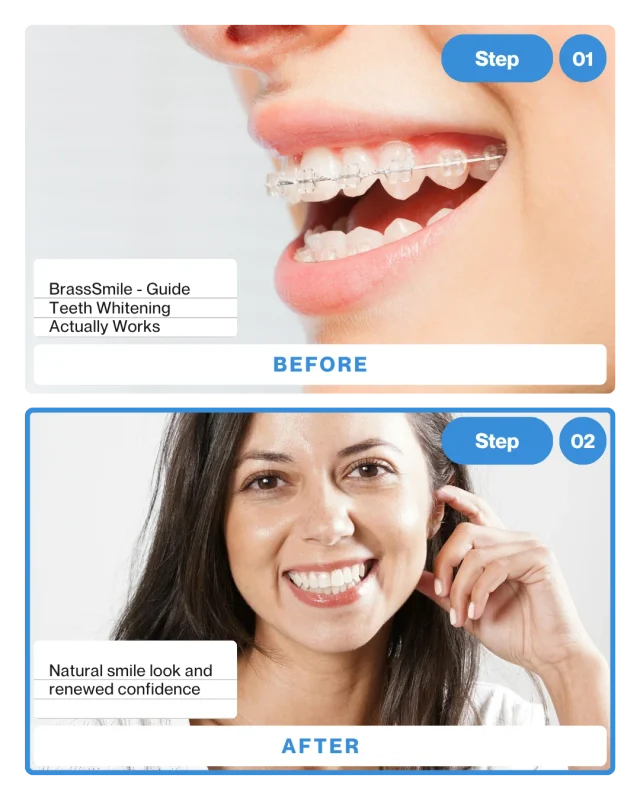
The most reliable way to understand teeth whitening is to know why teeth become discoloured, how different treatments work, and which precautions protect oral health. Whitening is an elective cosmetic choice, not a requirement for healthy teeth. A naturally yellowish or cream-coloured smile can be completely healthy. Dental health should always take priority over achieving a particular shade.
This guide explains the meaning of BrassSmile, the science of tooth colour, professional whitening, whitening toothpaste, strips, sensitivity, and the limitations of popular whitening claims. It also discusses why fillings and crowns respond differently, how long results may last, and why some people should avoid whitening altogether. The focus is on reliable information and realistic expectations rather than promising unusually white teeth.
What Is BrassSmile?
BrassSmile is a name that appears in online content associated with dental care, smile improvement, and general lifestyle information. Some articles describe it as though it were a specialised cosmetic dentistry concept. However, these descriptions are inconsistent and do not establish BrassSmile as a recognised clinical treatment. The term should not be confused with professionally established teeth-whitening procedures.
A website using the BrassSmile name may publish information about dental hygiene, orthodontics, or cosmetic treatments. Publishing dental information does not automatically mean that a website operates a dental clinic or manufactures whitening products. Any claim about a specific product, treatment, or professional service should be verified independently. Readers should look for clear information about who provides the treatment and whether qualified dental professionals are involved.
Is BrassSmile a Real Teeth-Whitening Treatment?
There is no established dental procedure formally recognised under the name BrassSmile. Professional teeth whitening generally involves peroxide-based bleaching techniques or the removal of surface stains through dental cleaning. These approaches have specific mechanisms, indications, and limitations. A newly created marketing name does not necessarily represent a new scientific method.
If a website describes BrassSmile as an innovative whitening system, the actual treatment should be identified.
Important questions include whether it involves hydrogen peroxide, carbamide peroxide, ordinary stain removal, or another process.
The qualifications of the provider and the availability of reliable clinical evidence also matter.
Without this information, claims about effectiveness cannot be confidently evaluated.
Why the Name Can Be Confusing
The word BrassSmile naturally suggests something connected with teeth or smiling. This association may lead readers to assume it represents a dental product or treatment. However, names used in online publishing do not always describe the actual services offered. A general-interest blog may discuss cosmetic dentistry without offering any clinical care.
The safest interpretation is to treat BrassSmile as a name that needs verification rather than as a treatment category. Dental decisions should be based on established methods and individual clinical needs. This is especially important when a website uses attractive language but provides limited information about the procedure. Scientific evidence matters more than branding.
How Teeth Whitening Actually Works
Teeth whitening involves changing the appearance of tooth colour. Some methods work by removing stains from the tooth surface, while others use bleaching agents to lighten discolouration within natural tooth structures. These mechanisms are different, even though products may describe both as whitening. Understanding the distinction helps explain why results vary.
The most established bleaching ingredients are hydrogen peroxide and carbamide peroxide. These compounds can help break down colour-producing substances within tooth structures. Depending on the method and the person’s dental condition, the teeth may become lighter in appearance. However, the response depends on the original colour and cause of staining.
What Happens During Peroxide Whitening?
Peroxide-based bleaching agents can penetrate dental hard tissues and react with certain compounds responsible for discolouration. These reactions change how light interacts with the stained material. As a result, the natural teeth may appear lighter. The degree of change depends on several factors, including the type of stain and treatment conditions.
This process is not equivalent to painting the teeth white. It works through chemical changes within the dental tissues. Because the agents are chemically active, they can also cause temporary sensitivity or irritation. Their use should therefore be considered carefully and, where appropriate, supervised by a dentist.
Why Some Teeth Whiten More Easily Than Others
Not all tooth discolouration responds in the same way. Yellowish natural teeth may respond differently from teeth with greyish or brown staining. Some discolouration develops on the outer surface, while other changes originate inside the tooth. Dental treatment history and enamel condition can also influence the result.
A dentist can examine the cause before recommending a suitable approach. This prevents someone from repeatedly attempting whitening when the underlying problem requires different care. For example, a tooth darkened after injury may need an individual dental assessment. General whitening products may not address that cause effectively.
Why Teeth Become Yellow or Discoloured
Tooth colour is influenced by natural anatomy, ageing, diet, and oral health. Enamel forms the outer covering of the tooth, while dentin lies underneath. Dentin is naturally more yellow than enamel, and the way light passes through these tissues affects the visible shade. Therefore, healthy teeth are not necessarily bright white.
Some discolouration develops gradually because of substances that collect on the surface. Other changes occur within the tooth structure itself. Certain medicines, injuries, and developmental conditions can also affect colour. Determining the cause is more useful than assuming every change requires bleaching.
Surface Stains From Food and Drinks
Tea, coffee, and certain strongly pigmented foods can contribute to external staining over time. These stains may collect on tooth surfaces, particularly where plaque is present. Their severity depends on oral hygiene, dietary habits, and individual factors. Some surface staining can be reduced through suitable professional cleaning.
Surface stain removal is different from changing the natural colour of the tooth. A cleaning may make teeth look brighter by removing accumulated material. However, it does not necessarily bleach enamel or dentin. This explains why a dental cleaning and whitening treatment can produce different results.
Tooth Colour Changes With Age
Teeth may appear darker or more yellow as people grow older. Natural changes in enamel and dentin can affect the visible shade. Years of exposure to staining substances may also contribute. These changes do not automatically indicate poor oral hygiene.
Age-related colour differences vary considerably between individuals. Some people retain relatively light teeth, while others experience noticeable changes. The appearance alone does not determine whether teeth are healthy. A dental examination provides a more reliable assessment.
Changes Caused by Dental Injury
An injured tooth can sometimes change colour because of changes inside the tooth. The discolouration may affect a single tooth rather than the entire smile. This pattern is different from ordinary staining caused by foods or drinks. A dentist should evaluate a tooth that becomes darker after trauma.
Bleaching may not be the first or most appropriate treatment in such cases. The clinician may need to assess the nerve, root, and surrounding structures. Treating the underlying dental condition takes priority over appearance. The appropriate cosmetic options can be discussed afterward if necessary.
Professional Teeth Whitening: What Dentists Actually Do
Professional whitening is performed or supervised by qualified dental practitioners. Before treatment, the dentist checks the condition of the teeth and gums. This helps identify cavities, gum problems, sensitivity, or restorations that may affect the treatment. The examination also helps determine whether whitening is appropriate.
Dental whitening methods vary according to local regulations and clinical needs. Some treatments are performed in a dental office, while others involve professionally supplied systems used outside the clinic. The whitening agent and treatment approach are chosen with attention to safety. Results are not identical for every person.
Why the Initial Dental Examination Matters
A person may want whitening because one area of the smile looks darker. However, the difference could be caused by staining, a restoration, tooth injury, or another dental condition. Treating the appearance without identifying the cause may leave the original problem unresolved. A clinical examination helps avoid this mistake.
The dentist can also identify existing sensitivity or gum inflammation. These conditions may need attention before cosmetic treatment is considered. Whitening products can increase discomfort when the mouth is not in suitable condition. Proper assessment is therefore part of safe care.
In-Office Whitening Procedures
In-office whitening generally uses professional bleaching materials under controlled conditions. The dental team protects surrounding tissues and monitors the treatment. The specific procedure depends on the product and clinical circumstances. Some systems also include a light source, although the benefit of light activation varies by protocol.
Professional supervision is important because strong bleaching materials can irritate soft tissues. The dentist can respond if sensitivity or discomfort develops. The procedure should also be tailored to the patient’s dental history. A controlled treatment is different from applying an unknown whitening substance at home.
Dentist-Supervised Whitening at Home
Some dental professionals provide whitening systems designed for use outside the clinic. These may involve custom-fitted trays and professionally selected bleaching materials. The dentist explains how the system should be used and monitors the response. Treatment duration varies according to individual needs and local regulations.
This approach differs from buying an unidentified kit online. Professional assessment helps determine whether whitening is appropriate and whether restorations or existing dental conditions may affect the outcome. It also provides a point of contact if problems occur. Cosmetic whitening should not be treated as a substitute for routine dental care.
Do Whitening Toothpastes Actually Work?
Whitening toothpastes can help reduce some external stains. Many contain mild polishing ingredients that assist with removing surface discoloration during normal brushing. Some products also contain additional compounds marketed for stain management. However, their effects are generally different from professional bleaching.
A toothpaste may make teeth appear cleaner or reduce certain stains without substantially changing their natural colour. This is an important distinction because product advertising sometimes uses the word whitening broadly. Results vary according to the original staining and product formulation. More abrasive brushing is not a reliable way to obtain a lighter shade.
Surface Cleaning Versus Actual Bleaching
Surface-cleaning products mainly target stains deposited on the outside of the tooth. Bleaching agents can affect certain colour-producing substances within the tooth structure. These two processes may produce different visible changes. A toothpaste cannot necessarily achieve the same result as a dental bleaching procedure.
This does not mean whitening toothpaste has no value. A suitable toothpaste may contribute to normal cleaning and stain management. However, maintaining healthy teeth and gums remains more important than trying to change their natural shade. Product selection should consider oral health needs rather than cosmetic claims alone.
Why Abrasiveness Matters
Some products use abrasive particles to polish the tooth surface. Appropriate toothpaste abrasives can help remove stains, but excessive abrasion or aggressive brushing can harm dental tissues. Enamel that becomes worn does not simply grow back. Exposed dentin can also contribute to sensitivity and a more yellow appearance.
Using increasingly harsh products is therefore not a sensible response to discolouration. A dentist can determine whether stains require professional cleaning or whether another cause is involved. Trying to scrub the teeth into a different colour can create avoidable problems. Gentle, effective oral hygiene is the better priority.
What About Whitening Strips?
Whitening strips are another recognised category of cosmetic whitening product. Many use peroxide-based agents intended to lighten natural teeth. Clinical research supports the effectiveness of certain properly formulated products in appropriate adult patients. However, results and safety depend on the product and individual dental circumstances.
Strips do not necessarily fit every person’s teeth evenly. This can influence which surfaces are exposed to the whitening agent. Existing sensitivity, gum health, and restorations may also affect suitability. A dentist can help determine whether the approach is appropriate.
Why Results Differ Between People
Two individuals may use similar treatments and experience different changes in tooth colour. Their original shades, types of staining, enamel characteristics, and dental histories may differ. Some teeth respond more readily to bleaching than others. This variation does not automatically mean the treatment was performed incorrectly.
A person with a crown or filling in a visible area may also notice that the restoration remains its original colour. Natural teeth can change shade while restorations generally do not respond in the same way. This may create a mismatch. Dental planning can help avoid unexpected cosmetic outcomes.
Are LED Teeth Whitening Kits Effective?
LED whitening kits are widely discussed in cosmetic dentistry advertising. They often combine a light source with a whitening material. However, the presence of a light does not automatically establish that a product is more effective. The bleaching chemistry and overall treatment method remain important.
Some professional systems use light as part of their procedure. Research on additional benefits varies by technique, and a dramatic visual presentation should not be mistaken for proof of superior results. An unfamiliar device may also raise questions about product quality and safety. Claims should be supported by reliable evidence rather than promotional photographs.
Why the Light Is Not the Whole Treatment
Many whitening systems depend primarily on active bleaching ingredients. A light alone does not generally provide the same chemical bleaching effect. This is why the complete product formulation matters. A device advertised as advanced may not necessarily outperform a simpler established method.
Consumers should also be cautious about claims of instant, permanent results. Teeth vary in how they respond, and cosmetic changes may not last indefinitely. A professional dental assessment provides more realistic expectations. Branding and technology should not replace evidence.
Do Natural Teeth-Whitening Remedies Work?
Home remedies are frequently promoted as inexpensive alternatives to professional whitening. Popular claims involve charcoal, acidic fruit mixtures, vinegar, and other household substances. However, scientific support for many of these approaches is limited or insufficient. Some may also damage enamel or irritate oral tissues.
The fact that an ingredient is natural does not make it suitable for the teeth. Acidic substances can contribute to enamel erosion, while abrasive mixtures may increase surface wear. Neither process represents healthy whitening. A dental professional can recommend safer ways to address genuine staining concerns.
Charcoal and Tooth Whitening
Activated charcoal has become a familiar ingredient in oral care marketing. It is sometimes promoted as a way to absorb stains and improve tooth colour. However, reliable evidence does not establish that charcoal products consistently provide meaningful bleaching benefits with adequate long-term safety. Their effects depend on the formulation and how they interact with tooth surfaces.
Aggressive abrasive cleaning is particularly concerning because enamel is a protective tissue. Damaging it can create sensitivity and other dental problems. Products should not be judged solely by the immediate appearance of cleaner teeth. Long-term oral health matters more than a temporary cosmetic effect.
Lemon Juice and Other Acidic Ingredients
Acidic ingredients can affect the mineral structure of enamel. Repeated exposure may contribute to erosion, especially when combined with abrasive cleaning. A temporary change in surface appearance does not mean the tooth has become healthier. Such methods can create problems that require dental care.
Dental enamel protects the deeper structures of the tooth. Once significant enamel has been lost, the body cannot simply regenerate it. This makes avoiding unnecessary damage especially important. Household acids should not be treated as replacements for evidence-based dental treatment.
Oil Pulling and Whitening Claims
Oil pulling is sometimes promoted as a natural approach to improving oral cleanliness and tooth colour. However, there is insufficient reliable evidence that it produces meaningful teeth-whitening effects. It should not be considered a replacement for brushing with fluoride toothpaste or routine dental care. Claims of dramatic whitening should be treated cautiously.
A method does not become effective merely because it has a long history or many testimonials. Personal experiences can be influenced by several factors, including changes in cleaning habits and lighting. Proper clinical evidence is necessary to establish whether a method consistently works. Oral health decisions should rely on more than anecdotal reports.
Why Teeth Whitening Can Cause Sensitivity
Tooth sensitivity is one of the most common side effects associated with peroxide-based whitening. Some people experience discomfort when consuming cold foods or drinks or when air reaches the teeth. The sensation is often temporary, but its severity varies. Existing dental problems may make whitening less comfortable.
Peroxide can affect structures within the tooth and contribute to temporary sensitivity. The response depends on individual characteristics and treatment conditions. More intense treatment does not necessarily produce a better overall experience. A dentist can assess sensitivity and decide whether cosmetic whitening should be postponed or avoided.
What if Sensitivity Does Not Go Away?
Persistent sensitivity should not automatically be attributed to ordinary whitening effects. Cavities, gum recession, cracks, and other dental conditions can also cause discomfort. A professional examination can help identify the underlying reason. Continuing cosmetic treatment while pain persists may make the situation worse.
The appropriate response depends on the cause of the symptoms. Some people need treatment for an existing dental problem rather than a change in whitening products. Others may be advised to avoid bleaching. The priority is maintaining comfortable, healthy teeth.
Can Whitening Damage the Gums?
Whitening agents can irritate the gums and other soft tissues when they come into contact with them. This is one reason professional systems involve careful protection and appropriate application. Gum irritation may be temporary, but more significant exposure can cause considerable discomfort. A person should not ignore burning or tissue changes.
Gum health should be assessed before elective cosmetic whitening. Inflammation or existing gum disease may require treatment first. Whitening does not correct periodontal problems or replace professional cleaning. Healthy gums are important regardless of tooth colour.
Why More Whitening Is Not Better
Some advertisements suggest that increasing treatment intensity will produce faster results. However, stronger or repeated exposure can increase the risk of side effects. The natural teeth also have limits to how they respond to bleaching. Pursuing an extreme shade can create unrealistic expectations.
A healthy smile does not need to match an edited photograph. Cosmetic preferences vary, and there is no medical requirement for teeth to appear uniformly white. Dental health and comfort should guide decisions. Additional treatment is not automatically beneficial.
Why Fillings, Crowns and Veneers Do Not Whiten Like Natural Teeth
Dental restorations are made from materials that behave differently from natural enamel and dentin. Crowns, veneers, bridges, and tooth-coloured fillings generally do not respond to peroxide bleaching in the same way as natural teeth. Their shade is selected during dental treatment. A whitening procedure may therefore change surrounding teeth without changing the restoration.
This distinction can affect cosmetic expectations. If a front tooth contains a visible filling, the natural tooth may become lighter while the filling remains unchanged. The result may appear uneven. A dentist can discuss these limitations before any elective treatment.
Why Dental History Matters
A smile may contain several different restorative materials. Some are obvious, while others closely resemble natural teeth. Without an examination, it can be difficult to predict how uniform the final appearance might be. This is another reason online whitening claims should not be treated as universal.
A professional assessment helps identify existing restorations and possible colour differences. It can also reveal whether a dark area is related to decay or another condition. Treating the underlying issue comes first. Cosmetic changes should not conceal a problem that needs dental care.
Can Teeth Whitening Make Teeth Permanently White?
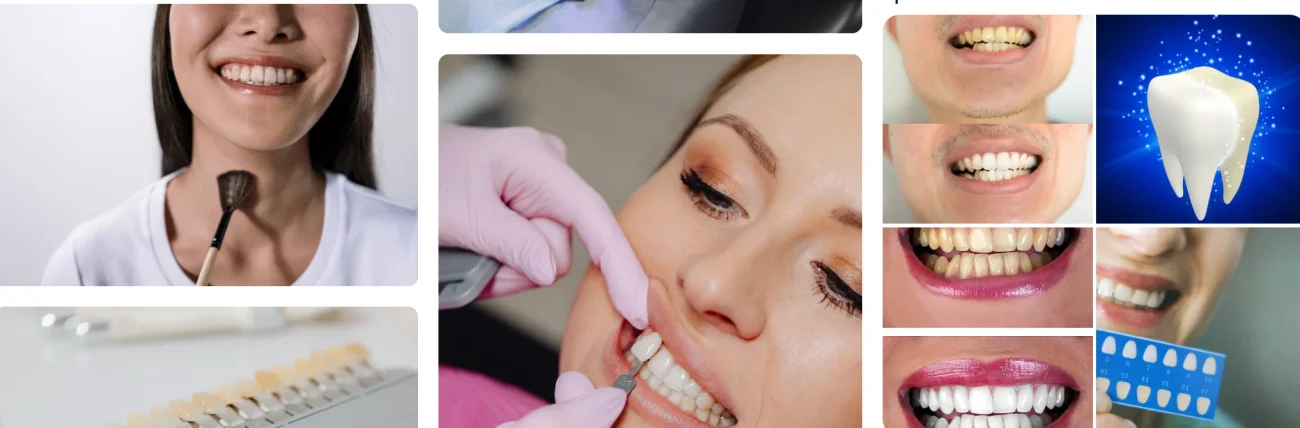
Whitening results are not necessarily permanent. Natural teeth may gradually become stained again because of ageing, diet, tobacco exposure, and other factors. The degree and speed of colour change vary between people. No treatment can guarantee an identical appearance indefinitely.
Some advertisements imply that one whitening session creates lifelong results. This is misleading because tooth colour is influenced by ongoing biological and environmental changes. A professional can explain realistic expectations based on the patient’s circumstances. Maintaining oral health is more important than attempting to preserve one precise cosmetic shade.
Why Results May Fade
Everyday exposure to staining substances can influence tooth appearance. Natural changes in dental tissues may also continue over time. These factors can gradually affect the shade after bleaching. The rate of change differs from person to person.
This does not mean whitening failed. It reflects the fact that tooth colour is not completely static. However, repeated cosmetic treatment should not be undertaken automatically. A dentist should assess whether additional bleaching is appropriate.
What Does a Healthy Smile Actually Look Like?
Healthy teeth do not come in one exact colour. Their appearance depends on natural enamel thickness, dentin, genetics, age, and individual dental characteristics. Some teeth look ivory or cream-coloured, while others appear lighter. These differences are not automatically signs of poor hygiene.
Dental health is better assessed through the condition of the teeth, gums, and surrounding tissues. A very white tooth can still have problems, while a naturally yellowish tooth may be healthy. Colour alone does not measure oral cleanliness or strength. This is an important distinction in a culture where cosmetic advertising often presents one narrow appearance as ideal.
Why Social Media Photographs Can Be Misleading
Online photographs may be affected by lighting, colour adjustments, filters, and editing. Teeth can appear much brighter in a photograph than they do in ordinary conditions. Comparing natural tooth colour with heavily edited imagery can create unrealistic expectations. A dental professional can provide a more accurate understanding of what is normal.
Personal appearance is also affected by many factors unrelated to oral health. A smile’s character is not determined by a particular shade. Cosmetic treatment should remain a personal choice rather than a response to social pressure. There is no obligation to whiten healthy teeth.
Is Teeth Whitening Suitable for Children and Teenagers?
Routine cosmetic bleaching is generally discouraged for younger people unless there is a specific dental indication and appropriate professional assessment. Children and teenagers may have developing teeth, changing oral conditions, and different sensitivity considerations. cosmetic teeth whitening is not permitted for people aged seventeen or younger. Rules and professional recommendations vary by location.
If a young person notices tooth discolouration, a dentist should identify the cause before considering any cosmetic intervention. Staining, enamel development differences, injury, and other dental conditions may require different approaches. Ordinary healthy tooth colour is not a medical problem. Concentrated whitening products should not be used as an attempt to match unrealistic online appearance standards.
Why Professional Advice Matters for Younger Patients
Young people may see whitening trends on social media without receiving information about risks or dental development. A product advertised as gentle or natural is not necessarily appropriate for a developing mouth. Strong bleaching materials may cause discomfort or irritation. The safest approach is to prioritise routine dental care and ask a dentist about any unusual colour changes.
A dentist can explain whether a tooth is healthy and whether the discolouration needs treatment. In many cases, reassurance and ordinary preventive care may be sufficient. Specific dental conditions may need a different intervention. Cosmetic bleaching should never be assumed to be the default solution.
Teeth Whitening During Pregnancy and Breastfeeding
Elective cosmetic whitening is generally not recommended during pregnancy or breastfeeding because of limited safety evidence for these situations. This does not mean ordinary oral care should stop. Brushing, appropriate fluoride use, and dental examinations remain important. The concern involves unnecessary exposure to cosmetic bleaching treatments.
Pregnancy can also be associated with changes in gum health. Dental professionals can advise on appropriate care and treatment needs. Any concerns about tooth colour can be discussed without immediately pursuing whitening. Necessary dental treatment should not be confused with elective cosmetic bleaching.
When Tooth Discolouration Needs Medical Attention
A gradual, general change in colour may have ordinary explanations, but sudden or unusual changes deserve assessment. One tooth becoming significantly darker can sometimes indicate previous injury or another internal problem. White or brown patches may reflect enamel-related conditions rather than simple surface stains. Pain, sensitivity, swelling, or changes in the gums are also reasons to seek dental care.
A whitening product cannot diagnose decay, infection, or structural damage. Attempting to cover a concerning change may delay treatment. A dentist can identify whether cleaning, restorative care, monitoring, or another intervention is necessary. Cosmetic whitening should only be considered after relevant dental problems are addressed.
Why One Dark Tooth Is Different
When a single tooth changes colour, the cause may differ from general staining. Past injury, changes within the tooth, or dental treatment history may be relevant. The appearance alone cannot establish the diagnosis. A dental examination is needed to determine whether further investigation is necessary.
General bleaching may not produce an even result when only one tooth is affected. In some cases, the underlying condition requires treatment before appearance is considered. The goal should be identifying the cause rather than applying stronger whitening products. This avoids unnecessary exposure and delayed dental care.
Does Professional Cleaning Make Teeth Whiter?

Professional cleaning removes plaque, calculus, and some external staining from tooth surfaces. As a result, teeth may look cleaner or brighter afterward. However, cleaning is not the same as chemical bleaching. It does not necessarily change the natural shade of enamel and dentin.
Cleaning can also support gum health and help clinicians identify other dental concerns. Its purpose extends beyond cosmetic appearance. A person may be satisfied with the result without needing bleaching. Others may find that natural discolouration remains after surface stains are removed.
Cleaning Should Come Before Cosmetic Assumptions
Sometimes the visible concern is caused by deposits rather than the natural colour of the teeth. In such cases, appropriate professional care may address the issue without bleaching. This is why diagnosis comes before choosing a cosmetic procedure. Different causes need different responses.
Healthy oral hygiene habits also help prevent plaque accumulation. However, aggressive brushing or repeated polishing is not necessary to make teeth healthy. Effective care involves suitable techniques and regular dental assessment. A dentist can provide individual guidance.
Common Teeth Whitening Myths
Teeth whitening is surrounded by claims that sound convincing but are not always supported by evidence. Some products promise instant permanent results, while others suggest household ingredients can replace professional dental care. These claims often ignore individual differences in tooth anatomy. They may also minimise sensitivity and gum irritation.
One common misunderstanding is that all yellow teeth are unhealthy. Another is that whitening works equally well on natural teeth and restorations. Some people also believe that stronger products must provide better results. Each assumption overlooks important clinical limitations.
Does Whitening Strengthen Tooth Enamel?
Whitening primarily aims to change tooth colour rather than improve structural strength. It should not be confused with treatments intended to support enamel mineralisation. A tooth does not become healthier simply because it looks lighter. Dental health and cosmetic appearance are separate considerations.
Appropriate fluoride use and routine preventive care have different purposes from bleaching. These measures help protect against tooth decay. Whitening does not replace them. A healthy routine remains important regardless of cosmetic treatment.
Are Expensive Whitening Products Always Better?
Price alone does not establish effectiveness or safety. An expensive product may contain familiar ingredients or use a more elaborate presentation. Reliable evaluation requires information about its formulation, evidence, and appropriate use. Marketing claims should be assessed critically.
A professionally supervised treatment may cost more because it includes examination, clinical care, and follow-up. That is different from assuming a costly online product is medically superior. The actual service and safety standards matter. Brand reputation should not replace dental assessment.
Can All Tooth Stains Be Removed?
No, some stains respond poorly to ordinary whitening. Discolouration caused by certain medicines, developmental conditions, injury, or dental materials may require different treatment. The expected outcome depends on the cause. This is why universal whitening promises are unreliable.
A dentist can explain realistic options after examining the teeth. Sometimes no treatment is medically necessary. In other situations, a specific dental concern needs care before cosmetic choices are discussed. The appropriate response should be individual.
How to Evaluate BrassSmile and Similar Online Claims
When a website discusses teeth whitening, the quality of its information matters more than its name. Look for a clear distinction between established treatment methods and promotional descriptions. The content should explain limitations, possible side effects, and the role of qualified dental professionals. Claims of guaranteed results should be treated cautiously.
A trustworthy article should also acknowledge that natural tooth colour varies. It should not suggest that everyone needs treatment to achieve a particular appearance. The information should be medically accurate and avoid portraying whitening as necessary for self-confidence or good health. Responsible guidance helps readers make informed decisions without unnecessary pressure.
What Makes Dental Information Reliable?
Reliable dental content identifies the actual procedure being discussed. It explains what the treatment can and cannot do and recognises possible adverse effects. It also distinguishes clinical evidence from personal testimonials. These features help readers understand the limitations of the information.
Dental advice should be particularly cautious when discussing children, teenagers, pregnancy, existing dental disease, or unusual tooth changes. These situations may require individual assessment rather than general cosmetic recommendations. A qualified dental professional can provide advice suited to the patient’s mouth and medical history. Online content should support that process rather than replace it.
Frequently Asked Questions About BrassSmile and Teeth Whitening
What Is BrassSmile?
BrassSmile is a name appearing in online discussions about dental care and cosmetic dentistry. It is not an established clinical name for a specific teeth-whitening procedure. Some similarly named websites publish general-interest information rather than providing dental treatment. Claims about a BrassSmile whitening product should therefore be verified independently.
Is BrassSmile a Dental Clinic?
The name alone does not establish that an organisation operates a licensed dental clinic. A genuine provider should make its professional credentials and services clear. Online articles discussing dental treatments are not the same as clinical care. Patients should verify the qualifications of anyone offering dental treatment.
Does BrassSmile Actually Whiten Teeth?
There is no verified clinical whitening treatment established under the name BrassSmile. Teeth whitening can work when appropriate, evidence-based bleaching methods are used. However, effectiveness cannot be attributed to a brand name without identifying the actual treatment. Specific claims require reliable evidence.
What Teeth Whitening Method Has Scientific Support?
Peroxide-based dental bleaching has substantial clinical evidence supporting its ability to lighten natural teeth. Professional treatments and certain appropriately formulated products can produce visible changes. Results vary according to tooth colour and the cause of discolouration. Suitability should be assessed by a dentist.
Do Whitening Toothpastes Really Work?
Some whitening toothpastes can reduce external stains. However, they may not significantly change the underlying natural colour of teeth. Their effects differ from those of bleaching treatments. A suitable toothpaste should support oral hygiene without unnecessary abrasion.
Are Whitening Strips Effective?
Certain peroxide-based whitening strips have evidence of effectiveness in appropriate patients. However, they can cause sensitivity and gum irritation. Their suitability also depends on age, dental health, and local regulations. A dentist can advise whether whitening is appropriate.
Is LED Teeth Whitening Better?
The presence of an LED light does not automatically make a whitening treatment more effective. Results depend on the complete system and its clinical evidence. Some professional treatments use light activation, but benefits vary. Advertising should not be treated as proof of superiority.
Can Charcoal Whiten Teeth?
Reliable evidence does not establish that charcoal consistently provides effective bleaching with adequate safety. Some charcoal products may rely on abrasive action rather than chemical whitening. Abrasive wear can damage dental tissues. Charcoal should not be considered a substitute for professional dental advice.
Why Do My Teeth Look Yellow Even When They Are Clean?
Natural tooth colour depends partly on enamel and the underlying dentin. Clean, healthy teeth can have an ivory or yellowish shade. Colour alone does not establish whether teeth are healthy. A dentist can assess any unusual changes.
Can Whitening Damage Enamel?
Inappropriate or excessive whitening may harm dental tissues or cause significant irritation. Abrasive home remedies can also contribute to enamel wear. Professional assessment helps identify individual risks. Cosmetic treatment should not compromise oral health.
Does Whitening Work on Crowns and Fillings?
Whitening agents generally do not change the shade of crowns, veneers, or tooth-coloured fillings in the same way they affect natural teeth. This can create a visible colour difference. A dentist should consider existing restorations before cosmetic treatment. Results may otherwise be uneven.
Can Teeth Whitening Cause Pain?
Whitening can cause temporary tooth sensitivity and gum irritation. Some people experience discomfort when exposed to cold foods or drinks. Persistent or severe pain requires dental assessment. It should not be ignored or treated as proof that whitening is working.
Are Whitening Results Permanent?
No, teeth can gradually change colour after treatment. Diet, ageing, and other factors influence the appearance over time. The duration of results varies. No whitening method guarantees permanently white natural teeth.
Can Teenagers Whiten Their Teeth?
Routine cosmetic whitening is generally discouraged for children and teenagers, and some countries impose specific age restrictions. A dentist should first evaluate the reason for any discolouration. Healthy teeth do not need to meet a particular cosmetic shade. Oral health should remain the priority.
Is Professional Cleaning the Same as Whitening?
No, professional cleaning primarily removes deposits and some surface stains. Bleaching changes certain colour-producing compounds within natural tooth structures. The procedures have different purposes. A dentist can identify which, if either, is appropriate.
Are Home Whitening Remedies Safe?
Many popular home remedies have limited evidence and may cause irritation or enamel damage. Natural ingredients are not automatically harmless. Acidic and abrasive mixtures are especially concerning. Dental advice is preferable to experimenting with household substances.
Is Teeth Whitening Necessary for Healthy Teeth?
No, whitening is an elective cosmetic procedure. Healthy teeth naturally vary in colour. Regular oral hygiene and appropriate dental care are more important than achieving a particular shade. A person can have a healthy smile without whitening.
Why Dental Health Should Come Before Whitening
Cosmetic dental treatments receive considerable attention because changes in appearance are easy to notice. However, the most important functions of teeth involve chewing, speaking, and supporting oral health. A lighter shade does not establish that these functions are healthy. Appearance should not replace proper assessment.
Problems such as decay, gum disease, or tooth injury may require attention even when teeth look attractive. Conversely, healthy teeth may have natural colour differences that require no treatment. Understanding this distinction prevents cosmetic expectations from becoming unnecessary medical concerns. Professional dental advice can help when a genuine issue arises.
A Realistic Approach to Smile Care
A healthy dental routine should focus on preventing disease and recognising changes that deserve assessment. Cosmetic whitening is a separate consideration that may not be appropriate or necessary for everyone. The decision should be informed rather than influenced by exaggerated advertising. Individual preferences can be respected without presenting whitening as a health requirement.
For people interested in dental appearance, the starting point is understanding their natural tooth colour and existing dental condition. Some changes may be caused by ordinary surface stains, while others require clinical investigation. Treatment options depend on those findings. A single whitening method cannot address every concern.
Final Thoughts: Does BrassSmile Teeth Whitening Actually Work?
The BrassSmile name may sound like a specialised dental whitening system, but it is not established as a recognised clinical bleaching procedure. Some online content uses the name in connection with dental health, while similarly named websites may provide general information rather than treatment. Claims about a specific BrassSmile whitening service or product should therefore be verified before being accepted. A brand name alone cannot establish clinical effectiveness.
Teeth whitening itself is supported by dental science when appropriate methods are used. Peroxide-based bleaching can lighten natural teeth, while professional cleaning and certain toothpastes can help address surface staining. These methods work differently and have different limitations. Results depend on the cause of discolouration and the condition of the teeth.
Not every whitening claim is reliable. Charcoal, acidic household mixtures, and other fashionable remedies may lack convincing evidence and can create unnecessary risks. Whitening also does not change crowns and fillings in the same way as natural teeth. Sensitivity and gum irritation are important considerations.
The key to understanding teeth whitening is to focus on the actual treatment, its evidence, and oral health rather than the promise of a perfectly white smile. Natural tooth shades vary, and healthy teeth do not need cosmetic bleaching. Anyone concerned about unusual discolouration should seek a dental assessment before considering appearance-related treatment.
BrassSmile can be discussed as an online name associated with dental information, but it should not be presented as a proven whitening system without independent evidence. Established dental care provides a more reliable foundation for decisions. Maintaining healthy teeth and gums remains worthwhile regardless of their natural colour.
Medical Disclaimer
This article provides general educational information about teeth whitening and oral health. It does not replace an examination, diagnosis, or treatment recommendation from a qualified dental professional. Cosmetic bleaching may be unsuitable for children and teenagers, pregnant or breastfeeding individuals, or people with certain dental conditions, and local rules vary. Do not use concentrated whitening chemicals or unverified home remedies to change tooth colour without appropriate professional advice.
Unusual tooth discolouration, persistent sensitivity, pain, gum swelling, or changes following an injury should be assessed by a dentist. Whitening is not a treatment for tooth decay, infection, gum disease, or structural damage. Healthy teeth naturally occur in different shades, and cosmetic whitening is not necessary for good oral health.