
How Mobile Gaming Has Changed the Way People Play Classic Games

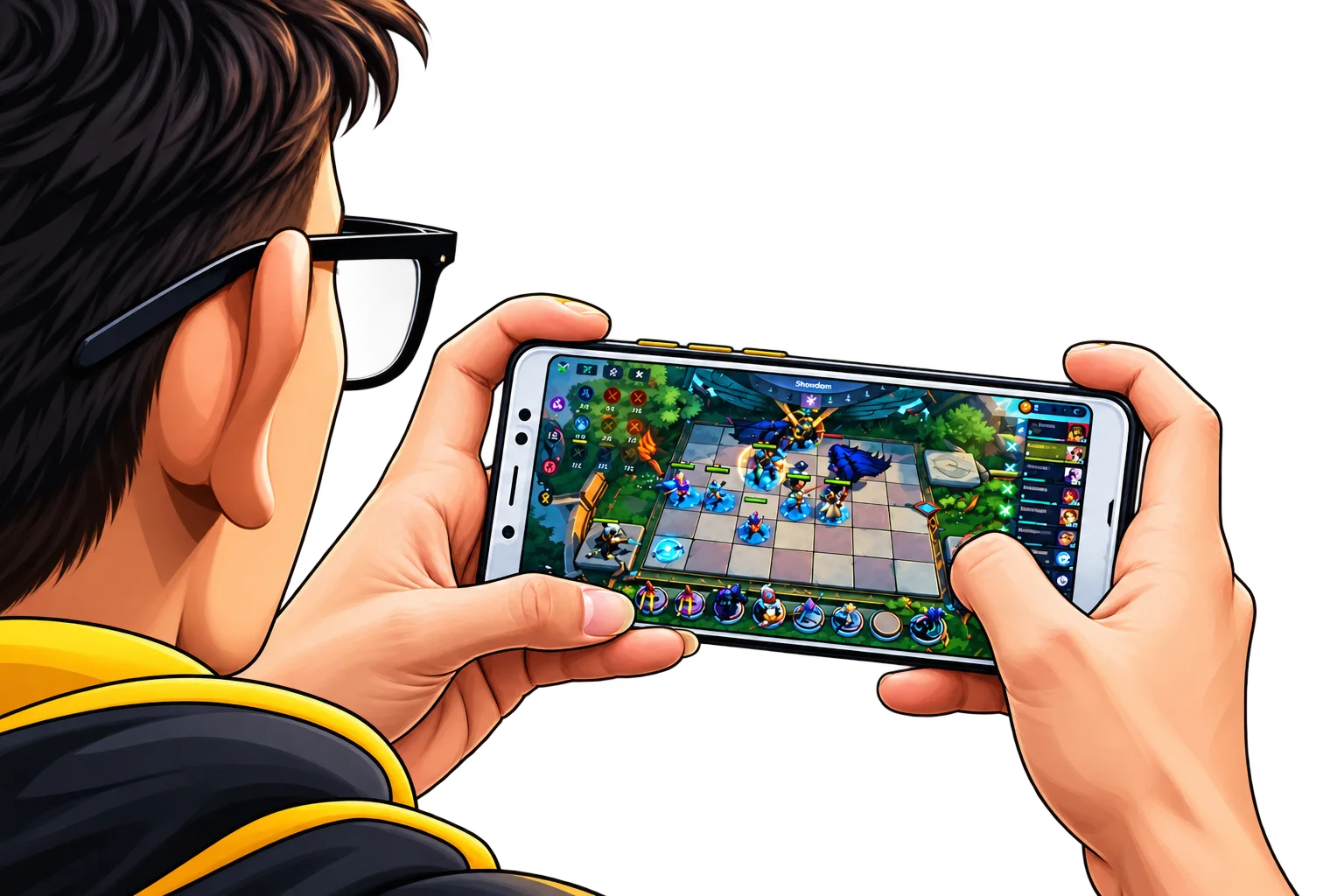
A game of chess once meant finding an opponent and setting up a board. Today, someone playing correspondence chess can make a move on their phone while waiting for a train, then continue the match hours later. Solitaire, puzzles, and other familiar games have undergone similar changes, becoming easier to access throughout the day.
Smartphones have also changed how these games are played. Touchscreen controls replace physical pieces, online features connect distant opponents, and digital versions introduce ways to learn traditional rules. Although the games themselves remain recognisable, the experience surrounding them has changed considerably.
1. Classic Games Are Now Available Almost Anywhere

One of the biggest changes mobile gaming has introduced is convenience. Traditional games often required physical equipment, a particular location, or someone willing to play. Smartphones reduce many of those requirements by putting numerous familiar games on a single device.
Consider chess. A player no longer needs to carry a board or arrange a meeting to enjoy a match. Mobile platforms such as Lichess allow players to start online chess matches without arranging an in-person opponent, whether they are relaxing at home or taking a break during a busy afternoon.
The same applies to solitaire and popular puzzle games. Activities once associated with a deck of cards, a newspaper, or a dedicated gaming device can now be accessed through apps and mobile websites. Players can switch between different games without preparing equipment or finding additional space.
This accessibility also creates more opportunities to play at different times of the day. A short break might be enough for a quick puzzle, while a longer journey offers time for a complete game. Mobile devices make it easier to fit many traditional games around existing routines, particularly those with short sessions or flexible turn-based play.
2. Touchscreen Controls Have Changed Familiar Gameplay
Mobile devices have changed how people interact with classic games. Instead of moving physical pieces or using a mouse, players tap, swipe, and drag objects across the screen. These actions make familiar games straightforward to navigate.
In chess, moving a piece might involve tapping its starting square and selecting a destination. Some apps highlight legal moves, helping beginners understand where each piece can go without changing the underlying rules.
Card games have also adapted well to touchscreens. Players can drag cards between columns in solitaire or tap a stack to reveal the next card. Clear animations show whether a move has been accepted, reducing uncertainty on smaller screens.
However, good touchscreen design requires planning. Appropriately sized touch targets, readable text, clear contrast, and accessible controls help prevent accidental selections and accommodate different needs. These details make mobile interfaces easier to navigate, allowing players to concentrate on gameplay rather than struggle with the controls.
3. Traditional Table Games Have Found New Digital Audiences
Mobile gaming provides another way to discover established table games, including for people unfamiliar with their physical versions. Chess, backgammon, and various card games are now available through digital platforms, making it easier to discover their rules and try different formats.
Digital adaptations can also simplify the learning process. A backgammon app might highlight possible moves, while a card game can automatically arrange hands or explain scoring. These features reduce the preparation involved in learning an unfamiliar game and allow beginners to practise independently.
The transition extends to traditional casino table games. Baccarat, for example, follows a relatively straightforward format built around two hands, known as the Player and Banker. Mobile platforms offering baccarat online recreate the familiar card layout on a smaller screen, allowing eligible adults to follow rounds without visiting a physical table. The basic rules remain recognisable, even though access to the game has changed.
Beyond these examples, mobile platforms have helped preserve interest in traditional games. For someone unfamiliar with backgammon, a mobile app offers an opportunity to explore the rules before trying a physical board. Digital access creates another way to experience games that have entertained people for generations.
4. Online Multiplayer Has Made Classic Games More Social
Classic games have always brought people together, but mobile connectivity has changed who can participate. Friends no longer need to be in the same room to enjoy a competitive match. They can connect through their phones, even when living in different cities or countries.
Chess provides a particularly clear example. Players can challenge friends directly or use matchmaking systems to find opponents with similar experience levels. This makes competitive games more accessible, especially for people who don’t have regular opponents nearby.
Turn-based multiplayer offers additional flexibility. In some games, one person can make a move and leave the match until their opponent responds. The game continues over several hours or days, allowing participants to stay connected without arranging a shared playing session.
Real-time matches provide a different experience, requiring participants to play within the game’s time limits. Some platforms also support messages or reactions during gameplay. Whether the interaction is competitive or friendly, these features bring elements of traditional board-game interaction into online environments.
5. Short Sessions and Personalised Features Fit Modern Routines
Mobile gaming has changed how long people spend playing classic games. Many traditional activities require uninterrupted time to finish a match or puzzle. Mobile versions often save progress, allowing players to return later without starting again.
A Sudoku player might complete a few squares during lunch and finish the puzzle that evening. Someone playing chess against a computer can pause when necessary. This flexibility makes familiar games easier to enjoy alongside everyday responsibilities.
Personalised settings offer additional advantages. Common features include:
- Adjustable difficulty: Players can choose challenges suited to their abilities.
- Optional hints: Beginners can receive guidance when they get stuck.
- Progress tracking: Completed puzzles and previous results help players monitor improvement.
Notifications can remind players about unfinished matches, although these should remain optional. Together, these features make mobile gaming more adaptable to individual preferences without changing the familiar appeal of classic games.
The Lasting Appeal of Classic Games on Mobile
Mobile technology has given traditional games a place in everyday routines that wasn’t always possible before. Players can discover unfamiliar titles, practise at their own pace, and connect with opponents without needing physical equipment or shared locations. These features offer flexible ways to access familiar games across different schedules and experience levels.
Yet the appeal of classic games still comes from their familiar challenges. Strategy, problem-solving, and friendly competition remain central to the experience. Mobile devices simply offer more ways for people to enjoy them, wherever their day takes them.